
How Legacy Is Built

Legacy is one of those words we pretend to understand until it stops being abstract and starts breathing down your neck. We throw it around in boardrooms and commencement speeches, usually paired with words like impact and purpose. But legacy isn’t a slide. It isn’t a KPI. It’s not a LinkedIn headline or a plaque on a wall.
Legacy shows up when someone is gone.
This morning, I’m writing the eulogy for my father, Stephen Fink, who passed away Saturday morning. And suddenly legacy isn’t a concept. It’s a reckoning.
Here’s the uncomfortable truth: most of what we spend our time chasing won’t survive us. Titles dissolve. Revenue curves flatten. Awards gather dust. The market forgets you faster than it once praised you. If you’re lucky, your career gets summarized in a few bullet points. If you’re not, it disappears entirely.
But people don’t.
People remember how you made them feel. They remember the moments you showed up when you didn’t have to. They remember your patience. Your steadiness. Your quiet conviction. They remember the way you carried yourself when nobody was watching.
That’s legacy.
My father understood this intuitively, long before it was fashionable to talk about “values” or “authentic leadership.” He didn’t need a framework. He lived it. He understood that the real scorecard isn’t kept by employers or institutions. It’s kept by families. By friends. By communities. By the next generation watching how you move through the world.
If you asked him to list his accomplishments, he’d probably wave the question away. Not because they weren’t significant, but because counting them missed the point. His accomplishments were too many to tally, not because of scale, but because of reach. They rippled outward. They showed up in places he never tried to take credit for.
That’s the thing about real impact: it compounds quietly.
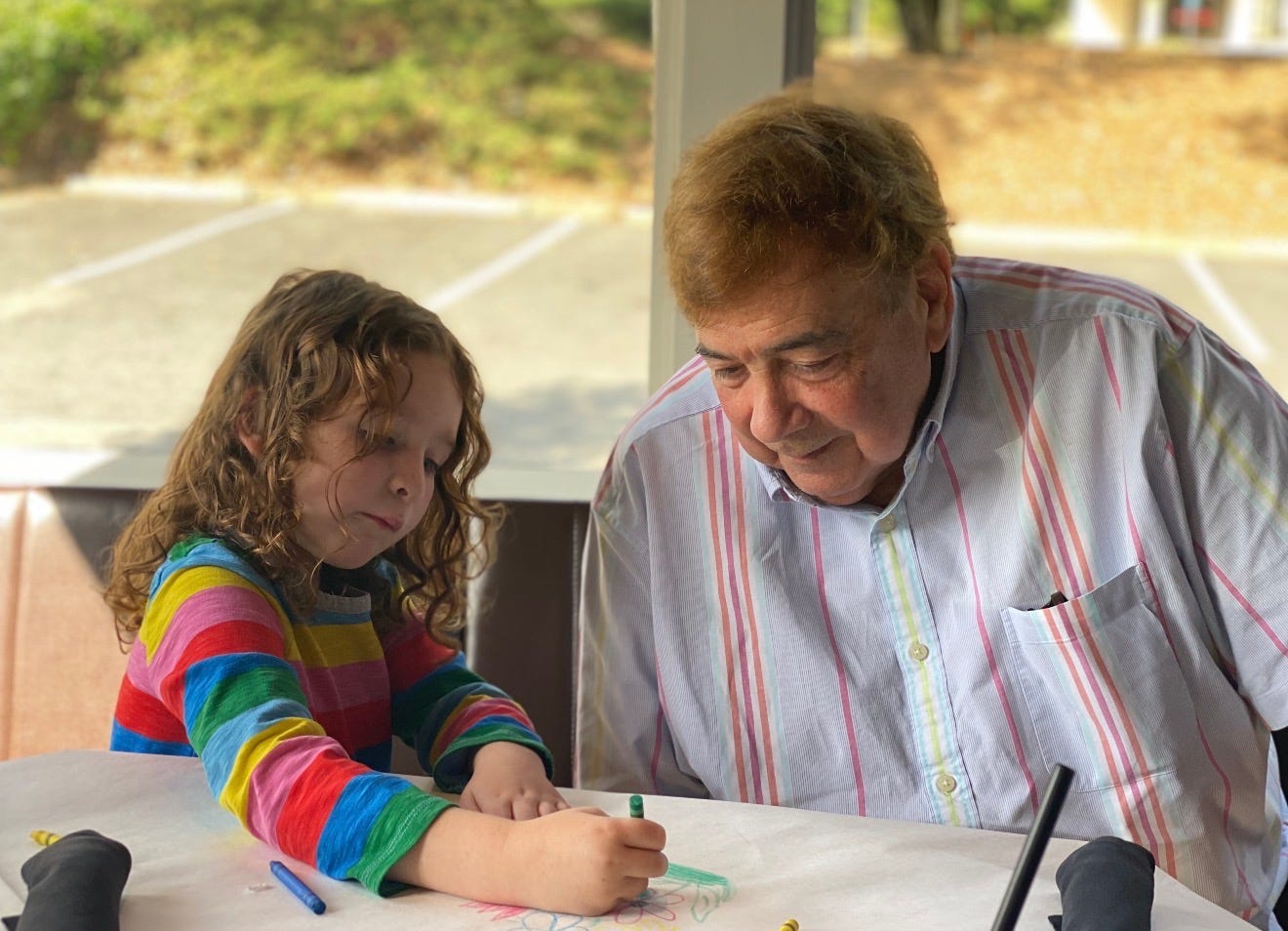
His legacy will live on most clearly in his grandchildren. In the way they treat others. In the confidence they carry without arrogance. In their sense of responsibility to something larger than themselves. They didn’t just inherit his DNA. They inherited his example.
And examples are stubborn. They linger.
But legacy doesn’t stop at bloodlines. It spreads through kindness. Through the unexpected phone call. Through the patience extended when it would’ve been easier to walk away. Through generosity that doesn’t announce itself. My father had a way of making people feel seen, without ever centering himself in the process. He didn’t need applause. He didn’t need validation. He understood something most people never quite grasp:
The loudest lives aren’t always the most meaningful ones.
We live in an era obsessed with visibility. We confuse being known with being valuable. We chase followers instead of building relationships. We optimize for reach when we should be optimizing for depth. And then we wonder why so much of what we build feels hollow.
Legacy demands restraint. It requires playing the long game in a culture addicted to immediacy. It means choosing character when shortcuts are available. It means understanding that influence isn’t something you claim—it’s something you earn, slowly, through consistency.
My father inspired people not by dominating rooms, but by elevating others. He made people better by believing in them before they fully believed in themselves. He didn’t posture. He didn’t perform. He practiced.
That’s the kind of inspiration that sticks.
When I think about legacy now, I don’t think about monuments. I think about moments. A lesson delivered calmly instead of harshly. A door held open, literally and figuratively. A standard set and quietly upheld. These moments don’t trend. They don’t go viral. But they accumulate. And over time, they become a life.
We should all be so lucky.
The irony is that legacy isn’t built by trying to leave one. It’s built by doing the work in front of you with integrity. By treating people with dignity when it costs you something. By showing up consistently for the people who count on you. Legacy is the byproduct of how you live, not the objective you chase.
My father didn’t set out to be inspirational. He simply was. And that’s what made it real.
As I write his eulogy, I’m struck by how little needs exaggeration. The truth is sufficient. The facts stand on their own. The stories tell themselves. That’s how you know a life was well lived; you don’t need to inflate it.
May we all have his legacy.
May we all remember that success without humanity is a rounding error. That kindness scales further than ambition. That the truest measure of a life is how many people are better because you were here.
And may we all aspire, not to be famous, not to be powerful, not to be remembered for our résumés, but to inspire others to greatness.
Because in the end, legacy isn’t what you leave behind.
It’s who you leave behind: stronger, steadier, and more capable of carrying the light forward.
Prayed for you and your family at church this morning. Know he works his spirit within you and will always be present when you ask of yourself, "What would Dad do?" You carry his legacy well, Brian.